Showing posts with label Beef. Show all posts

Thursday, February 25, 2016

The Barefoot Contessa’s Steak with Arugula


We have fallen head over heels in love with a hot juicy steak topped with cold peppery arugula dressed in a tart lemony vinaigrette and finished with sharp Parmesan cheese shavings. It’s a one-dish easy dinner that comes together in a snap and is from Garten’s How Easy is That?  You could call it Ina’s beef version of Parmesan Chicken Salad, which is also one of our all time favorites, featured here with the recipe and shown below. If you’ve fond of that recipe, you’re going to love the steak version.


Serving the greens really cold is the secret to this recipe. We filled a salad bowl with arugula and put it in the refrigerator to chill while the steak cooked and didn’t remove it until the steak was ready to slice. The contrast of the cold salad with the hot, juicy steak is like a well orchestrated party of opposites in your mouth. Trust me, you’re going to love it.

Thanks to a tip from our butcher at our local Publix supermarket, we have discovered a relatively inexpensive a cut of steak called a “shoulder tender.” It costs around $6.99 a pound, sometimes less if it’s on sale. Ina called for rib eyes, but of course you could use any cut of steak since the steak is sliced in the final presentation. Keep an eye out at your market or ask your butcher if a shoulder tender is available in your area. It is a relatively low fat version of most steaks. It's also very tender, not quite as much as a filet of beef, but more tender than a NY strip. We’ve been very pleased with the quality as well as the price.

Shoulder Tender
If you can’t find or don’t like arugula, try fresh watercress or baby salad greens. Ina grilled her steak, (see link to Ina's version that is included in the recipe below), but we successfully did a quick sear in a very hot iron skillet on the stove. Perfect for those of us that don’t (yet) have a grill. Whether you grill the steak or pan sear it, you will definitely not be disappointed in this recipe.


Steak with Arugula
Adapted from How Easy is That? by Ina Garten, serves 2, easily doubled
Printable Recipe

Steak ingredients:
1 shoulder tender, about ¾ of a pound (or 1” thick boneless steak cut of your choice such as a rib-eye, 1 per person)
1 tablespoon good extra-virgin olive oil, plus more for brushing the steak(s)
Kosher salt and freshly ground black pepper
Fleur de sel or any good finishing salt for serving

Salad & vinaigrette ingredients:
1 tablespoon freshly squeezed lemon juice
¼ teaspoon Dijon mustard
Fleur de sel or Maldon salt and freshly ground black pepper
3 tablespoons good extra-virgin olive oil
5 to 6 ounces baby arugula
1 small chunk of imported Italian Parmesan cheese

If you are grilling the steaks, prepare a charcoal grill with hot coals or turn a gas grill to medium-high heat.

Brush steak(s) lightly with olive oil and sprinkle both sides liberally with salt and freshly ground black pepper, then set aside at room temperature for 15 minutes.

Place the arugula in a large salad bowl and refrigerate until serving time. Meanwhile, place lemon juice, Dijon mustard, Fleur de sel sal, and freshly ground black pepper  in a small jar with a tight fitting lid and shake well to combine, then add the olive oil and shake well again. Set vinaigrette aside.

Set a heavy cast iron skillet on the stove over medium high heat and add the olive oil. When the oil starts to sizzle, add the steak(s) and cook for 5 minutes, then turn and cook the other side for 5 minutes, then check for doneness. The steaks will be medium-rare when the internal temperature reaches 125 degrees F on an instant read thermometer. Continue to cook until desired degree of doneness (we prefer ours rare to medium-rare.) Remove steaks to a plate, cover with foil, and allow to rest for 10 minutes before slicing.

While the steaks are resting, remove the salad bowl with the arugula from the refrigerator, give the vinaigrette a good shake, then toss the arugula with enough vinaigrette to moisten. Taste for seasonings and add more Fleur de sel and pepper if needed. Divide the cold arugula among individual plates, then slice steak(s) and place the steak slices on top with arugula. With a vegetable peeler, shave some long slices of Parmesan over individual salads, season the steak slices with a little more Fleur de sel and freshly ground black pepper and serve hot.

For better viewing, click photos to enlarge. 

This will be shared with Foodie Friday at Rattlebridge Farms and Full Plate Thursday at Miz Helen’s Country Kitchen. 

Have a nice weekend everyone and thank you for visiting My Carolina Kitchen.

Thursday, February 18, 2016

Braised Oxtail Stew


Don’t let the name oxtails scare you just because you’ve never tasted them or cooked with them. We hadn’t either, but we’ve always wanted to try them. So we took the plunge and were extremely pleased with the results. Think the best short ribs you’ve ever eaten, only with more flavor. The sauce alone is reason to make this dish – its flavors are absolutely incredible and your house will smell like a fine restaurant.

Perhaps you've heard your parents or grandparents mention oxtails. During the Depression they were a cheap cut of beef, but sadly that's no longer true. Trendy chefs such as Jamie Oliver have discovered them, so oxtails are no longer the inexpensive cut they were back in the day. You’ll find a link to his recipe below.


You might ask “what is an oxtail?” Simply put, it is the tail of the cow, but originally it came from the tail of an ox. The tail is skinned and cut into sections, leaving a tailbone with marrow in the center. Here's a link to Wikipedia for more information of oxtails. We were able to find oxtails easily at our supermarket and learned that they routinely stock them. Although the raw oxtails don’t look like they have much meat, you will be pleasantly surprised to find when cooked that they have plenty. The oxtails pictured below are a little smaller than the ones we used. The ones we used weighed about 3/4 of a pound each. Ours had enough meat that one oxtail served both the two of us, but I would count on 1 per person to be on the safe side.

Fresh Beef oxtails
The meat requires a long time to cook, making it perfect for long braises. The dish should be made in advance because, as with any braise, it tastes better the next day and also it gives you the chance to remove any fat that rises to the top.

We watched Jacques Pepin add a couple of bone marrow bones to one of his braises the other night on his television so we decided to add a couple to our oxtail stew. It’s just another way of adding more flavor without much effort on your part at all and we will try it with more meat braises in the future. If you find, as we did, that your sauce is a little thin, it thickens nicely with an arrowroot and water slurry.

Give oxtails a try. I don’t think you will be disappointed; we certainly weren’t. If you happen to have any left-over sauce, it is wonderful over mashed potatoes or grits.


Braised Oxtail Stew
Adapted from A Jug of Wine by Morrison Wood, serves 4 
Printable Recipe

4 oxtails, about 3/4 of a pound each
All-purpose flour
Kosher salt
Freshly ground black pepper
4 tablespoons bacon fat (or olive oil if you prefer)
½ cup chopped carrots
½ cup chopped celery
½ cup chopped onions
1 clove garlic, chopped
2 tablespoons chopped parsley, plus more for garnish
1 large bay leaf
½ tablespoon chopped fresh thyme leaves
1 large can of whole tomatoes
¼ teaspoon ground cloves
2 small bone marrow bones (optional but quite delicious)
Beef bouillon
Dry red wine
12 small white pearl onions
8 ounces sliced mushrooms
1 to 2 tablespoons arrowroot if needed to thicken the stew
3 tablespoons brandy
Chopped fresh flat-leaf parsley for garnish

Heat the oven to 350 degrees F.

Wash oxtails thoroughly and dry them on a towel. Generously salt and pepper them, then dredge in flour. Add bacon fat to a heavy iron skillet and heat to medium high. Add oxtails and brown on one side for 5 minutes, then using tongs, turn over and brown the other side for 5 minutes. Remove to a plate and reserve. Turn the heat to medium low and add carrots, celery, onions and cook, stirring occasionally until they began to soften. Add garlic and saute about 2 minutes more, taking care not to let the garlic burn. Salt vegetables and transfer them from the iron skillet to a braiser or large Dutch oven.

With your hands or a small knife, break apart the tomatoes and add them along with their juices, the bay leaf, thyme, and 2 tablespoons chopped parsley, ground cloves, and the bone marrow bones to the vegetables.  Sprinkle with a little salt and pepper then add the previously browned oxtails and enough beef bouillon and dry red wine in equal parts to cover the mixture. Slowly bring the whole mixture to a boil, then cover and transfer to a lower shelf in a preheated oven and let it cook for 2 hours.

While the oxtails are cooking in the oven, heat about 2 cups of lightly salted water in a sauce pan and when boiling, add the pearl onions and parboil for 30 seconds, then drain in a strainer and slip off the skins. Brown the onions in a little butter & olive oil until they take on a bit of color, sprinkle with a little salt and pepper and set aside.

At 1 ½ hours, check the oxtails to see if they are almost done. If not, cook for another 30 minutes and, if the meat isn’t almost falling off of the bone, continue to cook until its does so. When the meat is very tender, add the mushrooms and browned pearl onions and continue to cook gently in the oven for another 30 minutes. Remove, let the stew cool to room temperature, then cover and refrigerate overnight. It can be kept covered in the refrigerator for up to four days.

Before serving, skim off the fat with a large spoon and discard. Bring the stew to a boil over medium heat and judge whether the thickness of the liquid is to your liking. (Personally, we don’t like a thin sauce, but it’s up to you.) If you wish to thicken it, stir together equal amounts of arrowroot and water (we used 1 tablespoon of each, you may need more) in a small bowl to make a slurry, then add to stew. Stir the stew until the slurry is incorporated and the stew thickens. Remove the bay leaf and bone marrow bones. With a spoon, scoop out the soft insides of the bone marrow and add back to the stew, then discard the marrow bones. Heat about 3 tablespoons of brandy in a large ladle, then set the liquor alight and sprinkle the flaming brandy over the contents of the stew. Stir after the flames go out to fully incorporate.

Serve 1 oxtail to each guest in large individual bowls, generously spoon some sauce over them and sprinkle with a bit of finely chopped parsley. If you wish, you can remove the meat from the bones and discard the bones for each guest. Serve the stew with either buttered parsley potatoes or hot cooked noodles.

For better viewing, click photos to enlarge.

This will be shared on Foodie Friday at Rattlebridge Farms and Miz Helen’s Country Kitchen Full Plate Thursday.

Have a nice weekend and thank you for visiting My Carolina Kitchen. 


Other recipes you might like:

Jamie Oliver’s Oxtail Stew
The New York Times Wine Braised Oxtails 
Short Ribs Provençale from My Carolina Kitchen

Short Ribs Provencale


Thursday, February 26, 2015

Company Pot Roast


When cold weather arrives, there’s nothing better than a comforting pot roast simmering in the oven to warm you up. I know many of you have had to endure a very brutal winter and bone chilling temperatures. Believe me, you have all of my sympathy. So much so that I made my husband promise I would never have to be cold again and we follow the sun to Florida for the winter. But occasionally it even gets cold down in southern Florida. A couple of evenings our temperatures dropped down into the thirties, which is cold for this area. Those temperatures may sound warm to you if you’re in New England, Boston or Canada. However, I think that you might be surprised to learn that there are many families here, such as the ones who pick our Florida crops, such winter tomatoes, oranges and strawberries, that have no heat in their homes, much less insulation, which we all take for granted.


As you can see, this pot roast has a thick rich tomato sauce, which is perfect over creamy mashed potatoes. Some people might call it tomato gravy. However, it’s different from our normal recipe which contains chunks of simmered carrots, onions, and tomatoes. I suggest that you strain the sauce if it ends up a bit runny as ours did. While we did enjoy this version of pot roast and it really took the chill off of, personally I like my old pot roast recipe, Boeuf a la Mode from Louie Diat’s French Country Cooking for Americans, better. Louis Diat was the French Chef at the Ritz Hotels in Paris and London for years. When Cesar Ritz opened the new Ritz-Carlton in New York, he sent Diat to the US to be the Chef and it was there that he created the potato leek soup we now know as French vichyssoise. Louie Diat’s beef a la mode recipe is strictly country French cooking and a bit old fashioned. While his recipe is certainly not as fancy as this new one, I found the tomato sauce in this recipe a bit too rich and “tomato-e” for me. It might be because I’ve come down with a cold and my taste buds are off. That being said, the thing I did learn from this recipe was Ina’s suggestion of adding a splash of red wine before serving to give it an edge really worked. I’ve definitely taken note of that and will try that in the future with other red wine sauces. One more great tip from Ina.

We used a bottom round roast as opposed to the prime boneless beef chuck called for. I think it’s a shame to use prime beef when it’s going to be simmered for a long time. As with any long simmering dish such as this, resting in the refrigerator overnight is highly recommended. And don’t forget that splash of red wine just before serving.


Company Pot Roast
Adapted from Back to Basics by Ina Garten – serves 8
Printable Recipe

1 (4 to 5-pound) prime boneless beef chuck roast, tied (we used a bottom round roast)
Kosher salt and freshly ground black pepper
All-purpose flour
Good olive oil
2 cups chopped carrots (4 carrots)
2 cups chopped yellow onions (2 onions)
2 cups chopped celery (4 stalks)
2 cups chopped leeks, white and light green parts (2 to 4 leeks)
5 large garlic cloves, peeled, crushed & finely chopped
2 cups good red wine, such as Burgundy, plus a splash before serving
2 tablespoons Cognac or brandy
1 (28-ounce) can whole plum tomatoes in puree
1 cup chicken stock, preferably homemade
1 chicken bouillon cube
3 branches fresh thyme, plus more for garnish
2 branches fresh rosemary
1 tablespoon unsalted butter, at room temperature

Preheat the oven to 325 degrees F.

Pat the beef dry with a paper towel. Season the roast all over with salt and pepper. Dredge the whole roast in flour, including the ends. In a large Dutch oven, heat 2 tablespoons olive oil over medium heat. Add the roast and sear for 4 to 5 minutes, until nicely browned. Turn and sear the other side and then turn and sear the ends. This should take 4 to 5 minutes for each side. Remove the roast to a large plate.

Add 2 tablespoons olive oil to the Dutch oven. Add the carrots, onions, celery, leeks, garlic, 1 tablespoon salt, and 1 1/2 teaspoons pepper and cook over medium heat for 10 to 15 minutes, stirring occasionally, until tender but not browned. Add the wine and Cognac and bring to a boil. Add the tomatoes, chicken stock, bouillon cube, 2 teaspoons salt, and 1 teaspoon pepper. Tie the thyme and rosemary together with kitchen string and add to the pot. Put the roast back into the pot, bring to a boil, and cover. Place in the oven for 2 1/2 hours, until the meat is fork tender or about 160 degrees F internally. Turn the heat down to 250 degrees F after about an hour to keep the sauce at a simmer.

At this point, if you have time, let the pot roast come to room temperature and allow it to sit in the refrigerator, covered, overnight. Meals such as these benefit from sitting overnight. When ready to proceed, skim off as much fat as possible and reheat gently at 325 degrees F until it is heated through.

Remove the roast to a cutting board. Remove the herb bundle and discard. Transfer half the sauce and vegetables to a blender or a food processor fitted with the steel blade and puree until smooth. Pour the puree back into the pot, place on the stovetop over low heat, and return the sauce to a simmer. Place 2 tablespoons flour and the butter in a small bowl and mash them together with a fork. Stir into the sauce and simmer for 2 minutes, stirring until thickened. Add a splash of red wine before serving to give the sauce a nice edge, then taste for seasonings. Remove the strings from the roast and slice the meat. Garnish with sprigs of fresh thyme and serve warm with the sauce spooned over. Excellent with mashed potatoes to fully take advance of the sauce.


For better viewing, click photos to enlarge.

This will be shared with Foodie Friday at Rattlebridge Farm and Miz Helen’s Country Kitchen Full Plate Thursday.
Have a great weekend everyone.

Thursday, March 21, 2013

Bistro Style Blue Cheese-Stuffed Burgers with a Port and Caper Sauce


The first bite of this burger will transport you straight to hamburger heaven. You’ll never miss the bun when you taste the tangy blue cheese as it oozes out and pairs magically with the deep, rich port wine sauce. This heavenly burger creation is the brainchild of Gordon Hamersley of the acclaimed Hamersley’s Bistro in Boston and the recipe comes from his fabulous cookbook Bistro Cooking at Home. 

Photo from Amazon
Just when I though I didn’t need another bistro cookbook, I checked out a copy of Gordon Hamersley’s Bistro Cooking at Home from the library and the rest as they say is history. The recipes are sophisticated, yet easy-to-prepare comfort food and his book now sits proudly on my bookshelf shoulder to shoulder with Julia Child and Jacques Pepin. As a reviewer on Amazon commented, Gordon’s recipes are “unpretentious, friendly, practical & fabulous.”

Gordon Hamersley trained with Wolfgang Puck at Ma Maison in Los Angles and later lived in Nice, France for a year, learning everything he could about French bistros. In 1987 he and his wife Fiona opened Hamersley’s Bistro, which serves homey, French-inspired bistro food, and quickly became one of Boston’s favorites. In 1995 Gordon received the James Beard Award for Best Chef in the Northeast. Numerous publications, including Zagat’s, have regularly ranked Hamersley’s Bistro among Boston’s finest.


A peppery arugula salad, dressed very lightly with balsamic vinaigrette, goes extremely well with the flavors of this burger. The original recipe called for using green peppercorns in brine as part of the sauce. As it happens, our market was out of green peppercorns and I didn’t have time to shop on line, so I had to come up with a substitute and capers seemed to be the logical choice. We always have a jar of capers in brine on hand as well as the salt packed capers. I used well rinsed salt packed capers and the juice of the brined variety for the green peppercorns and the sauce turned out beautifully. However, I am anxious to try the recipe as written as soon as I can find the green peppercorns. Hamersley’s recipe turned a simple American-style stuffed burger into a sophisticated, yet easy to prepare French bistro dish deeply flavored with a high-end restaurant quality sauce, certain to be served in our house many, many times to come.  


Bistro Style Blue Cheese-Stuffed Burgers with a Port and Caper Sauce - Adapted from Bistro Cooking at Home by Gordon Hamersley – serves 4

4 ounces blue cheese, such as Gorgonzola or Roquefort
1 ½ pounds lean ground beef
Kosher salt and freshly ground black pepper
1 tablespoon canola or other neutral flavored oil
1 medium shallot, finely chopped
1 teaspoon capers (or green peppercorns if you can find them)
2 teaspoons brine from the capers (or from the green peppercorns)
1/3 cup port wine (I used tawny as the recipe did not specify, but regular port is fine too)
1/3 cup low fat, low salt beef stock
3 tablespoons heavy cream
Chopped flat-leaf parsley for garnish

Divide the blue cheese into 4 equal pieces and shape them into balls. Divide the meat into 4 equal portions. Wrap one portion of meat around each piece of cheese. Flatten the meat and cheese to form patties. Sprinkle with salt and pepper.

Heat the oil in a large sauté pan until it is very hot. Add the hamburgers and cook over high heat until well browned on one side. Turn the burgers over and lower the heat to medium-high. Don’t worry if some of the cheese oozes out; it will just add flavor to the sauce. Continue cooking until the burgers are done to your liking, about 10 – 12 minutes total cooking time. Remove the burgers from the pan and let them rest in a warm place.

Discard the excess grease from the pan. Add the shallot and cook, stirring, for one minute, taking care not to let the shallot burn. Remove the pan from the heat and add the capers, caper brine, and port. Bring to a boil and cook until the liquid is reduced by half, scraping up any brown bits that have accumulated. Add the beef stock and continue to cook until the sauce has reduced by half again. Add the cream and bring to a boil. Place the burgers on plates, spoon the sauce over them, garnish with the parsley, and serve at once. Peppery arugula, dressed very lightly with balsamic vinaigrette, goes extremely well with the flavors of this burger.


This will be shared with Foodie Friday at Rattlebridge Farms, Miz Helen’s Country Kitchen Full Plate Thursday, Foodie Friday at Simple Recipes, Foodtastic Friday at Not Your Ordinary Recipes, Seasonal Sunday at the Tablescaper, and On the Menu Monday at Stone Gable.

Have a great weekend everyone.

Disclosure: The opinions above are my own and I was not compensated for this review nor did I receive a complimentary copy of this cookbook. 

Thursday, March 14, 2013

Carbonnade à la Flamande ~ Belgium Beef & Onions Braised in Beer


Carbonnade à la Flamande, a specialty of Belgium and northern France, is beef braised with onions and beer and is the last dish featured in my series on French braises. Beef Carbonnade is one of the classics and a recipe for it can be found in almost any French cookbook. For St. Patrick's Day, you can turn it into an Irish stew by braising the beef and onions in Guinness.

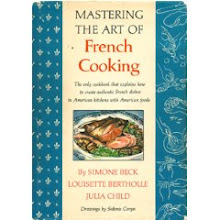
Julia Child, in her classic Mastering the Art of French Cooking, said “Beer is typical for the Belgian braise and gives a quite different character to beef than the red wine of the bourguignon.” And that is very true – the carbonnade is different from beef bourguignon or coq au vin. A carbonnade is best known for its sweet-sour combination of caramelized onions with beer. Personally I found that when comparing the beef carbonnade to the other two dishes, it doesn’t seem to have quite the depth of flavor or earthy richness of the other two French braises.

In fairness to the carbonnade however, it has only three major ingredients – beef, onions, and beer. That’s why we’ve chosen to serve potatoes and carrots alongside. But the biggest difference is that beef bourguignon and coq au vin are wine based, as compared to the beer in the carbonnade.


For the beer we used Hoegaarden (pronounced “who-gar-den”), a Belgian wheat beer with a delicious, refreshing taste. Any dark Belgian-style ale would be a good choice here.

There are probably some purist out there that would disagree with me, but I think Guinness Draught Irish dry stout is also good in a beef carbonnade, which would make it an ideal dish to serve for St. Patrick’s Day. After all, they say everyone is Irish on St. Patrick’s Day.

As tempting as it might sound to cook some vegetables in this, I think it's best to serve them on the side. By doing so you maintain the integrity of this classic dish and don't muddle the flavors of the sweet-sour caramelized onions. Potatoes are definitely an excellent accompaniment. I’ve seen it served over creamy mashed potatoes as well as buttered noodles. We’ve served ours today with boiled potatoes tossed with parley and butter and roasted carrots. Beer of course is the drink of choice with a carbonnade. As with most stews, this dish will taste even better a day or two after it's made.

Beef Carbonnade is definitely one of the classic braises that should not be overlooked.


Carbonnade à la Flamande ~ Belgium Beef & Onions Braised in Beer 
Adapted from Essential Pepin by Jacques Pepin – serves 6 to 8

2 tablespoons unsalted butter
2 tablespoons olive oil
3 pounds boneless beef chuck, cut into 1/3-inch-thick slices, about 3 inches wide
Kosher salt and freshly ground pepper
3 cups thickly sliced onions
1/2 cup all-purpose flour
Three 12-ounce cans beer, Guinness for St. Patrick's Day
1/2 teaspoon dried thyme
2 bay leaves
2 tablespoons red wine vinegar
Arrowroot or cornstarch slurry if needed for thickening

In an enameled cast-iron casserole, heat 1 tablespoon of the butter along with 1 tablespoon of olive oil. Dry the beef well with paper towels and season with salt and pepper. Brown the beef in the casserole over moderate heat in batches, turning once, taking care not to crowd the pan or the beef will stew instead of browning. Transfer the beef to a plate and repeat in batches, using more butter & oil if necessary.

Add the onions to the casserole, cover and cook over low heat, stirring often, until browned, about 8 minutes. Stir in the flour until the onions are well-coated, and then slowly add the beer. Return the meat to the casserole along with any accumulated juices. Add the thyme and bay leaves, cover and simmer over low heat, stirring occasionally, until the beef is tender, about 2 hours.

At this point, you may refrigerate the carbonnade, when cooled, for several days in the refrigerator. Scrape off any accumulated fat on the top and return to room temperature before proceeding with the recipe.

Uncover the casserole and transfer the meat to a bowl. Add the vinegar and simmer the sauce over moderate heat until thickened slightly. If necessary, thicken with a slurry using either arrowroot or cornstarch and water. Before serving, taste for seasonings.


This will be shared with Foodie Friday at Rattlebridge Farms, Miz Helen’s Country Kitchen Full Plate Thursday, Foodie Friday at Simple Recipes, Foodtastic Friday at Not Your Ordinary Recipes, Seasonal Sunday at the Tablescaper, the Clever Chick's Blog Hop, and On the Menu Monday at Stone Gable.

Have a great weekend everyone and Happy St. Patrick’s Day.

Thursday, February 28, 2013

Ina’s Beef Bourguignon and a Man in the Kitchen


Hello to all and I’m so glad to be back. You have no idea how much your get well wishes and lovely comments have meant to me these past several weeks. I’ve missed blogland immensely, especially reading your blogs and visiting with you. My life has been lonely and boring without you. I’m glad to report that my neck pain has improved greatly due to the treatment and physical therapy and isn’t nearly as painful as it was. Gone - no, but much better. However, my back pain continues to be a constant problem that just will not go away. I have to learn to adjust to limitations and some days are better than others. As one of my favorite writers, David Baldacci, said in his book The Camel Club, “Old age always sneaks up on one, but once it’s fully present, the effects are hardly subtle.” 

My dear husband Meakin has been doing more of the cooking lately with me doing the menu planning, prep in the kitchen, and of course my homemade vinaigrettes and salads. Having a good life partner has been the best thing that’s ever happened to me. “We do it together” is our motto. Meakin is a real jewel and I don’t know what I would do without him. And he’s a great cook and taught me a lot of what I know. I will continue to do my weekly postings with Meakin’s help in the kitchen as well as his being MCK’s photographer extraordinaire, so plan on seeing more of the “we” word from now on.

Beef Bourguignon is one of our favorite comfort dishes. I decided to try Ina’s recipe because, first of all you can count on her recipes to work because she does an outstanding job of testing, and second, she served her bourguignon on thick slices of toasted country bread or sourdough and I thought that sounded rustic and appealing.


With regard to testing recipes, Ina’s instructions do a great job of guiding you through the cooking process and help you to avoid glitches that other recipes tend to overlook. Case in point - she reminds you to dry the beef before you sauté it. This is a very important step to keep the meat from splattering when you brown it and often is overlooked by other recipe developers. If you’ve ever been splattered from oil in the pan when you added damp meat, you know exactly what I’m talking about. The other reason to dry the meat, and the most important one, is that if you don’t dry it well, it won’t brown properly and ends up stewing.

We thought serving the bourguignon over toasted country bread was a big success and would definitely do it again. The only thing I will add to that is that it made the dish slightly heavier compared to serving it over the traditional noodles or potatoes. It’s nice to know there is another alternative and one we’ll remember.

A caution regarding the ½ cup of Cognac that is called for in the recipe – that is an awfully lot of Cognac to flame, especially if you’re shy about flambéing (that would be me). Meakin even commented it seemed a bit too much and he's very comfortable flambéing dishes. You’ll see below that I’ve changed it to ¼ cup. (See discussion about why to flambé in the comments section.) You can also lighten up on the amount of bacon if you wish and avoid heavily smoked bacon or it will dominate the dish. Don’t leave out the fresh parsley in the end. Fresh herbs such as parsley give a braise dish a nice blast of freshness in the end. Give this recipe a try – it’s a winner.


Ina’s Beef Bourguignon
Adapted from The Barefoot Contessa via The Food Channel – serves 6
Printable Recipe

1 tablespoon olive oil
¼ pound apple wood smoked bacon, diced
2 1/2 pounds bottom round beef, trimmed of excess fat & cut into 1-inch cubes
Kosher salt & freshly ground black pepper
1 pound carrots, peeled, then sliced diagonally into 1-inch chunks
2 yellow onions, peeled and sliced
2 teaspoons chopped garlic (2 cloves)
1/4 cup Cognac or brandy
1 (750 ml.) bottle good dry red wine such as Cote du Rhone or Pinot Noir
2 cups fat free, low sodium beef broth
1 tablespoon tomato paste
1 teaspoon fresh thyme leaves or 1/2 teaspoon dried
4 tablespoons unsalted butter at room temperature, divided
3 tablespoons all-purpose flour
1 pound frozen whole onions (or fresh small onions, parboiled & browned)
1 pound fresh mushrooms, stems discarded, caps thickly sliced
Country bread or sour dough, toasted or grilled and rubbed with garlic clove
1/2 cup chopped fresh flat leaf parsley

Preheat the oven to 250 degrees F. Heat the olive oil in a large Dutch oven. Add the bacon and cook over medium heat for 10 minutes, stirring occasionally, until the bacon is lightly browned. Remove the bacon with a slotted spoon to a large plate lined with paper towels.

Dry the beef cubes well with paper towels, then sprinkle them with salt and pepper. In batches in single layers, sear the beef in the hot oil for 3 to 5 minutes, turning to brown on all sides. Remove the seared cubes to the plate with the bacon and continue searing until all the beef is browned. Set aside. Toss the carrots and the sliced onions in the fat in the pan, season with salt and freshly ground black pepper, and cook for 10 to 15 minutes, stirring occasionally, until the onions are lightly browned. Add the garlic and cook for 1 minute more. Remove the pan from the heat and add the ¼ cup of cognac. Stand back and ignite with a match to burn off the alcohol. (You can add up to ½ cup of cognac if you wish).

Put the meat and bacon back into the pot with the juices. Add the bottle of red wine plus enough beef broth to almost cover the meat. Add the tomato paste and thyme. Bring to a simmer, cover the pot with a tight-fitting lid and place it in the oven for about 1 1/4 hours or until the meat and vegetables are very tender when pierced with a fork.

Time out for a cook’s note: If you wish to prepare this dish in advance, at this point when it cools you can cover it and keep it covered for several days in the refrigerator. We like to skim off the excess fat from the top with a spoon when it’s removed from the refrigerator and still cold. Braises served the next day are always better for maximum flavor.

Combine 2 tablespoons of butter and the flour with a fork and stir into the stew. Add the small whole frozen onions or if you are using fresh onions, parboil in lightly salted water for 30 seconds, drain and brown in a little oil oil, the add a little salt and add to the stew. Sauté the mushrooms in 2 tablespoons of butter for 10 minutes until lightly browned, lightly sprinkle with salt and pepper and then add to the stew. Bring the stew to a boil on top of the stove, then lower the heat and simmer for 15 minutes. Season to taste.

To serve, toast the bread in the toaster or oven. Rub each slice on one side with a cut clove of garlic. For each serving, spoon some stew over a slice of the toasted bread and sprinkle with chopped fresh parsley.

Cook's notes: The French would not use overly smoked bacon in their Bourguignon. Therefore I suggest that you use a lightly apple wood smoked bacon and stay away from the heavily smoked bacons such as Nueske’s and Benton’s. Both brands are excellent smoked bacons, but save them for a BLT or breakfast. You don’t want your Bourguignon to taste too smoky.


I will be sharing this with Foodie Friday at Rattlebridge Farms, Miz Helen’s Country Kitchen Full Plate Thursday, Foodie Friday at Simple Recipes, Foodtastic Friday at Not Your Ordinary Recipes, Weekend Kitchen Creations, Seasonal Sunday at the Tablescaper, The Clever Chicken Chick, and On the Menu Monday at Stone Gable.

Have a great weekend everyone. It’s great to be back.


Thursday, June 7, 2012

A Feast for Special Friends by the Hoffer Brothers with a Spectacular Flaming Grand Finale


Bananas Foster

As you know from my last post, we attended an authentic Cajun crawfish boil at a blogger get-together at Almost Heaven South on Tellico Lake over Memorial Day weekend. Our host, Larry of Big Dude’s Eclectic Ramblings, and his wife Bev, invited Meakin and myself, along with my brother-in-law Stuart and his wife Sandy, to spend an extra night with them at their home. I’d bragged to Larry about what wonderful cooks Meakin and Stuart are and how well they work together in the kitchen and with that he challenged them to prepare dinner for him in his kitchen on our last night together. Of course the Hoffer brothers, always up for a challenge, immediately said yes. Here is their menu.


Dinner at Almost Heaven South 
Monday, May 28, 2012
Guests Chefs – Stuart & Meakin Hoffer

Appetizer

Savory Bleu Cheese Popovers

First Course

Chilled Spanish Gazpacho Soup with  Crispy Croutons

Entrée

Roasted Tenderloin of Beef
Napped with a Peppery Port Wine & Fig Reduction  
Garnished with Caper Berries

Mediterranean Style Ratatouille

Truffle Infused Mashed Potatoes

Crispy Fried Shallots

Cheese Course

Four cheeses with Honey Rosemary Glaze

Dessert

New Orleans Style Bananas Foster over Vanilla Ice Cream

Coffee


After the crawfish boil and a cruise around the lake on Larry’s party boat, before we went to bed Meakin laid the beautifully trimmed beef tenderloin on a rack on a sheet pan, salted it heavily, and put in the refrigerator to rest overnight.

Photo courtesy of Big Dude's Eclectic Ramblings
beef tenderloin resting overnight
The next morning we got up and started our day with a big “Larry style breakfast.” If you read Larry’s blog, you know Larry is the king of breakfast.  As a special treat, he had prepared homemade scrapple. Read more and see the amazing breakfast Larry prepared here. It was, needless to say, out of this world and you won’t find better anywhere on the planet. In fact we were so stuffed that we lazed around the remainder of the morning and everyone took a nap in the afternoon in anticipation of the evening meal.

Around five, we all gathered in Larry’s kitchen to watch Meakin & Stuart start their prep work for dinner. Stuart passed around his savory mini blue cheese popovers and we nibbled on them while Larry poured a glass of wine for everyone.

Photo courtesy of Big Dude's Eclectic Ramblings
Stuart & Meakin
As you might imagine, the challenge of this dinner came, not in planning the menu, but the logistics of preparing a 5 course dinner in someone else’s kitchen. It turns out that Larry & Bev have one of the finest kitchens known to man and stocked with everything conceivable a cook would want. They’ve thought of everything – a fancy six burner stove, every utensil imaginable, double dishwashers, huge built-in oven with a convection microwave above, a large pantry with more spices than one could dream of, and tons of chef quality sharp knives. Why even the food processor is built in – open a door below the island and out it pops, ready to go to work on any project.

Here everyone enjoys Stuart’s Spanish gazpacho for our first course.

L to R - Stuart, Bev, Larry, Sandy, Pat, me
The entrée was Meakin’s roasted tenderloin of beef napped with a peppery port & fig reduction garnished with caper berries, truffle infused mashed potatoes, crispy fried shallots, and Stuart’s Mediterranean style ratatouille.


Fig & Port Wine Sauce
Adapted from Cooking Light – serves 8

1 1/2 cups tawny port
½ cup beef broth
2 ½ tablespoons finely chopped shallots
12 small dried figs, quartered
1 - 6” sprig of fresh rosemary
2 tablespoon drained small capers
1 tablespoon of caper juice
Kosher salt and plenty of freshly ground black pepper
2 oz brandy
2 oz slurry of arrow root and water
2 tablespoons cold unsalted butter
4 -5 caper berries

Combine all of the ingredients down to the brandy, in a small saucepan and bring to a boil. Boil 15 minutes or until reduced to 1 cup. Remove rosemary sprig. Strain and return to the pan. Taste for seasonings, add the slurry and heat over a moderate flame. When thickened, add the brandy and flame. When the flame has died down, swirl in a knob of butter and then spoon sauce over steak and garnish with caper berries.

Some people, including Meakin, are never too sure they like eggplant, which just happens to be the main ingredient in ratatouille. Stuart’s recipe is the only one that has ever pleased Meakin. Even Larry was a bit leery, but said afterwards, “I even liked the ratatouille, which was a first.” Way to go Stuart.

Ratatouille Mediterranean
Adapted from the New York Times Cookbook and the Joy of Cooking

2 ½ cups diced eggplant (2 small ones)
1/3 cup olive oil
¾ cup thinly sliced onions
2 clove garlic chopped
½ cup black pitted olives
2 green or red peppers julienned
3 cups zucchini in ½ inch slices
2 cups skinned, seeded, quartered tomatoes
3 tablespoons capers
Italian Herbs (dried) or oregano
Salt & pepper to taste

Peel and slice the eggplant into rounds, then salt and place the slices on a rack to drain over the sink for 30 minutes.  At the end of the 30 minutes, wipe off the salt and dice.

In a deep skillet sauté the onions and garlic until lightly brown, add the olives, peppers, zucchini, tomatoes, and drained & diced eggplant in olive and sprinkle with the herbs. Simmer the mixture, covered, over low heat for about 45 minutes, then uncover and continue to cook for an additional 15 minutes to reduce the liquid. Taste and season to taste with additional salt & pepper if needed and serve.


The cheese course was an assortment of four cheeses, saga blue, brie, Irish cheddar, and limburger accompanied by a smear of rosemary infused honey on individual cheese boards.


The finale of the dinner party was the dessert - Bananas Foster. If you’ve ever been to Brennan’s Restaurant and they’ve prepared their fabulous Bananas Foster for you tableside, then you know what a special dessert it is. It happens to be one of Meakin’s specialties and he prepared it often when we lived in the Bahamas with tiny fingerling bananas that grew in our garden. We weren’t able to find the fingerling bananas, but keep your eyes out for them. They are petite, sweet bananas with bright yellow flesh and are normally sold by a bunch with small “hands” that contain ten to twelve “fingers.”  Children love them. You can sometimes find them in Asian markets and I have, on occasion, even seen them in our supermarket. Here’s a photo I found on the web.

To make the flame sparkle when you’re flambéing that will remind you of fireworks on the 4th of July, don’t miss the tip about sprinkling the flames with a little ground cinnamon held high.


Bananas Foster
Adapted from Brennan’s of Houston in Your Kitchen by Chef Carl Walker – serves 4

½ cup unsalted butter
1 cup packed brown sugar
1 tablespoon banana vodka or other banana flavored liquor
6 tablespoons dark rum, divided
4 ripe bananas, peeled, sliced lengthwise, and halved again into quarters
½ teaspoon cinnamon plus more for sprinkling into the flame
4 scoops vanilla ice cream

In a flat sauté pan or medium skillet, add butter, sugar and, banana vodka, and 2 tablespoons rum. Cook over medium-high heat while stirring to melt. Add bananas. Use a table fork to lightly prick bananas while they cook. Sauté about 1 minutes, or until bananas began to soften.

Carefully tilt the pan towards you to get top half of the pan hot, then remove the pan from the heat. (Removing the pan from the heat is an important step, because it is not safe to ever pour liquor straight from the bottle into a hot pan.) With the pan off of the heat, pour remaining rum over the bananas.

To flambé bananas, carefully ignite rum by either tilting pan towards flame on a gas range or cautiously lighting with a long taper match.

Tip: Gently shake flaming pan with one hand and hold a shaker of cinnamon high above the flame and sprinkle some over the flame with the other hand. By sprinkling the cinnamon directly into the flame, it creates a Fourth of July effect that is pure food magic!

When the flames die out, immediately spoon bananas and their sauce over ice cream.

Cinnamon being sprinkled into the flames to make sparkles
A big thank you Larry & Bev for your gracious hospitality and allowing us to prepare dinner as a thank you from us for hosting your 3rd annual world famous Tennessee blogger get-together on your dock on Tellico Lake. Since my photographer was busy cooking, I also want to thank Larry for allowing me to use some of his photos from the dinner party.

Don’t you just love this photo that Larry took of the two chefs sitting down to a bowl of Stuart’s gazpacho?

Photo courtesy of Big Dude's Eclectic Ramblings
L to R - Sandy, Pat, me, Meakin, Stuart, Bev

* * *

This will be linked to Foodie Friday at Rattlebridge Farms, Foodie Friday at Not Your Ordinary Recipes, Miz Helen’s Country Kitchen Full Plate Thursday, and On the Menu Monday at Stone Gable. Stop by and join in the fun.


Thursday, March 1, 2012

Short Ribs Provencale – an excellent dish for entertaining


Short ribs make an excellent dish for entertaining because they can be made well ahead of time and finished at the last minute. For best results, you’ll want to search out the meatiest short ribs you can find.

One of the problems I find with shorts ribs (and other cuts of meat such as lamb shanks) is that frequently the results turn out a bit too fatty for my taste, even when you trim the fat.  After all, we’re all trying to eat healthier today with less fat in our diet.


To remedy not eating some of the fat that inevitably comes from cuts of meat such as short ribs, I cook the dish up to a certain point, skim the fat from the top, and then here’s the important part - I refrigerate the dish overnight to allow more of the fat to rise to the top. The next day I scrape off the additional fat and end up with a much leaner dish. I encourage you to try it with other dishes you cook that contain fatty cuts of meat because this one extra step makes such an incredible difference in the amount of fat in the dish.


Short Ribs Provencale 
Adapted from The Carefree Cook by Rick Rodgers – serves 6

6 pounds individual short ribs, trimmed of excess fat
Kosher salt and freshly ground black pepper
2 tablespoons extra-virgin olive oil
1 large onion, finely chopped
1 medium carrot, peeled and chopped
1 rib of celery, finely chopped
12 garlic cloves, peeled and smashed slightly
1 tablespoon Herbs de Provence
2 tablespoons all-purpose flour
2 cups hearty red wine
1 ¾ cups beef stock, preferably reduced sodium and fat free
1 – 14 ½ ounce can diced plain tomatoes in juice, drained (retain juice)
1 large bay leaf
8 ounces baby-cut carrots
½ cup Mediterranean black olives, preferably Nicoise, (I used Kalamatta)
3 tablespoons or more chopped fresh flat-leaf parsley for garnish
Serve with mashed potatoes


Position a rack in the center of the oven and preheat to 300 degrees F. Bring the short ribs to room temperature and season with the salt and pepper.

Heat the olive oil in a large (at least 6 quart) Dutch oven or flameproof casserole over medium-high heat. In batches, taking care not to crowd, add the short ribs to the pot and cook, turning occasionally, until browned on all sides, about 8 minutes. Using tongs, transfer the ribs to a platter and set aside.

Pour off all but 2 tablespoons of the fat from the pot. Add the onion, chopped carrot, and celery to the pot and reduce the heat to medium-low. Cover and cook, stirring often, until the vegetables are softened but not browned, about 5 minutes.


Add the garlic, Herbs de Provence, and flour and stir until the garlic gives off its aroma, about 1 minute, taking care not to let the garlic burn. Stir in the wine and bring to a boil over high heat, stirring up the brown bits on the bottom of the pan with a long wooden spoon. Add the broth, tomatoes, and bay leaf. Return the short ribs and any juices that have accumulated, to the pot. If necessary, add the remaining juice from the tomatoes plus cold water so liquid barely reaches the top of the ribs. Bring to a boil over high heat.


Cover tightly, transfer to the oven and bake, stirring occasionally to change the position of the ribs, until the meat is falling-off-of-the-bone tender, about 2 ½ hours. Transfer the short ribs to a deep serving platter and cover with aluminum foil to keep warm. Skim off the fat from the surface of the cooking liquid, discard the fat and the bay leaf.

*Now for the most important step in this recipe if you want this dish to be as lean as possible. As soon as the dish comes to room temperature, return the short ribs to the pot, cover, and refrigerate overnight. The next day (or whenever you are planning to serve the dish,) remove from the refrigerator and, with a spoon, scrape off the fat that has accumulated on top of the ribs and the liquid and discard the fat. At this point, you can return the dish to the refrigerator, covered, or you can proceed with the final cooking.

Remove the short ribs and place on a deep platter and cover with aluminum foil to keep warm. Bring the liquid in the pot to a boil over high heat and cook until it is reduced to a sauce consistency, about 10 minutes. The exact cooking time will depend on the size of your pot.

While the sauce is reducing, parboil the baby carrots in boiling water for a few minutes, then brown the carrots in a tiny bit of extra-virgin olive oil until cooked through and glazed on top. Add the ribs, glazed carrots, and olives to the sauce and cook to heat through, about 3 minutes. Add the chopped parsley, then taste and correct the seasonings if necessary. Serve over mashed potatoes.


* * *

This recipe will be linked to Miz Helen’s Country Kitchen Full Plate Thursday and Foodie Friday at Designs by Gollum. 

Thursday, January 6, 2011

Prime rib sandwich with truffle butter à la Barefoot Contessa


When I first saw the recipe for truffled filet of beef sandwich in the Barefoot Contessa’s Back to Basics cookbook, I instantly knew it was something that we would both love. In fact, we’ve been fascinated with truffles since we hand-carried one back with us from our last visit to France.

I knew my biggest challenge would be to find truffle butter. In my tiny town in the mountains of North Carolina, truffle butter isn’t exactly a staple in my market. In fact, I would bet you anything that no one in my market has even heard of a truffle, much less knows what one is.

Black truffle butter from The Fresh Market
I pretty much forgot about the truffle butter until this Christmas. We were planning on being in Florida and my brother-in-law was going to serve a seven rib prime beef for Christmas Eve dinner.  As we were walking through Fresh Market there, my husband Meakin said, “Let’s see if they carry truffle butter, because if they do (he paused and a big grin came on his face), we can bring some slices of really rare prime rib home from Christmas dinner and use it in place of the filet of beef to make Ina’s truffled beef sandwich.”

Meakin carving prime rib for our niece who likes hers well done
We like our prime rib rare

And that’s just what we did. Ina describes this sandwich as “not your average roast beef sandwich; it’s filet of beef with black truffle butter, Parmesan cheese, and bitter arugula. Your friends will swoon.” Well, we substituted rare roasted prime rib and Ina’s right – we definitely swooned.


Prime rib sandwich with truffle butter à la Barefoot Contessa
Adapted from Barefoot Contessa’s Back to Basics

Left over slices of rare roast beef from a prime rib
1 slender French baguette
Black truffle butter, at room temperature
Fleur de sel French sea salt and freshly ground black pepper to taste
Fresh Parmesan cheese
Fresh baby arugula

Bring left-over roast beef slices to room temperature. Cut the baguette lengthwise, but not all the way through. Spread the bottom half of the bread generously with the black truffle butter. Top with a layer of sliced beef and sprinkle it with the fleur de sel and freshly ground black pepper. Using a vegetable peeler, shave the Parmesan cheese into thin shards and scatter the shards over the sliced beef on each sandwich. Sprinkle with arugula leaves, fold the tops of the sandwich over, and cut into diagonals.


Cook’s notes:
If you would like to make your own truffle butter, check out Natasha’s recipe on 5 Star Foodie Adventures. To see Ina’s original sandwich using filet of beef, click over to Bridgett’s post on La Bella Cooks. I promise you’ll swoon.

In the sidebar of Ina’s recipe she says she buys truffle butter from Dartagnan in three ounce packages and it’s surprisingly inexpensive. We were able to find it at a local Fresh Market. Truffle butter keeps very well in your freezer and both white and black truffle butter are available.