Wednesday, April 10, 2013

Three Quick Things


Three quick things I would like to mention. First, readers who subscribe by email will see a little change in what My Carolina Kitchen looks like when it arrives in their inbox – a snippet of the new post will arrive, followed by a link to the entire post, which allows you to see and read the post in the very best format.

Secondly, if you leave a comment, you’ll see a change. Lately I’ve been deluged with spam and the way I see to fix is that that I have two choices – either eliminate the ability to leave an anonymous comment or install that “difficult to read” word verification thing that many of you don’t like. Spam almost always comes in the form of anonymous comments, so I’ve chosen, at least for the time being, to eliminate that choice. I hope at some point to be able to offer it again, but for now I have to do something about the spam. It’s killing me and many other bloggers have chosen this route as well. I sincerely apologize for any inconvenience and my email address is available in my profile if you need to contact me.

Last but not least, please be sure to come back tomorrow for my weekly post featuring a quick and easy to prepare supper in under 30 minutes – a steak salad with spinach, blueberries, feta, and toasted pecans pictured above.

See you tomorrow.

Thursday, April 4, 2013

Moroccan Chicken Stew


Moroccan chicken stew is a tagine, simmered with vegetables, olives, oranges, lemons and garlic. It’s citrusy, sunny appearance was a welcome addition to our dinner table last week when even south Florida had a chill in the air, our sweaters had to come back out, and we were, like the rest of the country, longing for springtime.

Traditionally served over couscous, the stew goes together very quickly and can easily be on the table in about 45 minutes. This is simple enough for a weekday dinner or fancy enough for company. Speaking of which we will be having this week, so if you don’t see as much of me as usual, we’re out showing our house guests the sites and hoping for plenty of sunshine on the beach.


Moroccan Chicken Stew 
Adapted from Wine, Food & Friends by Karen MacNeil – serves 3 to 4

1 ½ teaspoons olive oil
1 pound skinless, boneless chicken thighs, coarsely chopped
Kosher salt
Freshly ground black pepper
1 cup chopped onion
½ cup chopped red bell pepper
¼ teaspoon ground ginger
¼ teaspoon ground cinnamon
¼ teaspoon saffron threads, crushed
2 garlic cloves, minced
½ cup fat-free, low sodium chicken broth (or homemade)
½ cup orange juice
¾ cup chopped orange sections (about 1 orange)
3 tablespoons chopped fresh flat-leaf parsley
3 tablespoons chopped fresh cilantro
2 tablespoons sliced pitted kalamata olives
1 tablespoon chopped lemon sections (about ½ of a lemon)
2 ½ cups hot cooked couscous
Flat-leaf parsley springs for garnish

Heat oil in a Dutch oven over medium heat. Season chicken with salt and freshly ground black pepper and add the chicken, bell pepper, spices and garlic and cook, stirring frequently, for 12 minutes. Stir in broth and orange juice. Bring to a boil; cover, reduce heat, and simmer 30 minutes. Remove the chicken from the heat. The stew can be made ahead at this point. Stir in orange, parsley, cilantro, olives and lemon sections. Serve over couscous and garnish with parsley if desired.


This will be shared with Foodie Friday at Rattlebridge Farms, Miz Helen’s Country Kitchen Full Plate Thursday, Foodie Friday at Simple Recipes, Foodtastic Friday at Not Your Ordinary Recipes, Seasonal Sunday at the Tablescaper, and On the Menu Monday at Stone Gable.

Have a great weekend everyone.

Thursday, March 28, 2013

Asparagus Paired With An Exciting New Vinegar - Fig Balsamic


Asparagus is our favorite side dish to serve for Easter. It spells springtime for me and besides, almost everyone loves asparagus. It also holds up well at room temperature on a buffet. Each year I try to find a new asparagus recipe or two to add to my ever growing list of favorites. But this year, instead of finding a new recipe, I found a new ingredient to pair with asparagus and I’m very excited about it.

It’s fig balsamic vinegar. The brand I used was O and it was award the 2012 sofi Gold winner for outstanding vinegar at the Summer International Fancy Food Show. According to O’s website, juicy, ripe California native mission figs are slowly oak aged in Sonoma in O’s California Balsamic vinegar, producing a sweet, rich, dark vinegar. To use their own words, “An elixir worthy of the monks who brought this varietal to coastal California. Delicious with prosciutto and ricotta, brushed over pork loin with fresh thyme, or simply drizzle over fresh organic strawberries or our newest flavor obsession - over vanilla bean ice cream.”  You can also find fig balsamic vinegars on line at Amazon. 

I used the fig balsamic vinegar to make a rich, dark vinaigrette, tossed in some chopped shallots, and served it over crispy poached asparagus at room temperature. Chopped Mission figs can be added to the garnish if you wish for even more fig flavor. My basic vinaigrettes are always three parts oil to one part vinegar or acid. Here is my basic recipe for poached asparagus and the vinaigrette follows.

Grilled asparagus lovers could use their favorite grilled asparagus recipe and then follow the instructions for the vinaigrette.


My Carolina Kitchen’s Basic Recipe for Poached Asparagus
From My Carolina Kitchen – Sam Hoffer

1 lb fresh asparagus, tough lower ends snapped off
Water flavored with low sodium, low fat beef broth* to taste
2 teaspoons salt

After tough ends of asparagus have been removed, peel the remaining ends unless the asparagus is thin; if thin, leave as is. Bring water flavored with beef broth and 2 teaspoons salt to a boil in a shallow pan. Add asparagus, turn heat to low and cook for about 4 minutes until asparagus is crisp tender, taking care not to overcook. Immediately plunge the asparagus in an ice water bath to stop the cooking and retain the green color. After a minute or two, remove the asparagus and dry well with a towel. Dress with a vinaigrette. Then you may either chill it for about an hour, or serve at room temperature. *I like to flavor my asparagus water with beef broth. It isn’t necessary, but it does bring a very nice flavor to the cooking broth.


Fig Balsamic Vinaigrette with Shallots
From My Carolina Kitchen – Sam Hoffer

1 tablespoon fig balsamic vinegar
3 tablespoons good extra-virgin olive oil
1 tablespoon finely chopped shallots
Maldon sea salt or other good sea salt
Freshly ground black pepper
Chopped dried Mission figs, optional

Put the vinegar, shallot, olive oil, and sea salt and pepper in a screw top jar with a lid and shake well to mix. Easily doubled or tripled. This also saves well in the refrigerator for a day or two. Toss with poached asparagus and garnish if desired with chopped dried figs. This recipe with the fig vinaigrette is especially good served at room temperature.


My other favorite Easter asparagus dish is Asparagus Mimosa, also known as Asparagus Goldenrod. If you’ve been reading My Carolina Kitchen for a while, you’ll recognize it from Easter’s past. The name Goldenrod comes from the bright green asparagus garnished with yellow egg yolk and Mimosa because the grated hard-boiled eggs resemble mimosa blossoms.  Classic dishes such as this were a mainstay on the menus of the grand hotels in a bygone era. This year I spiffed it up a little and added some chopped radishes to the egg garnish. Prepare the asparagus from the basic recipe above.

You could also grill the asparagus and then follow the vinaigrette & garnish recipe.

My Carolina Kitchen’s Basic French Vinaigrette
From My Carolina Kitchen – Sam Hoffer

1 tablespoon good vinegar, or freshly squeezed lemon juice
3 tablespoons extra virgin olive oil
½ tablespoon finely chopped shallot, optional
½ to 1 teaspoon Dijon mustard to taste
Dash of hot sauce such as Tabasco
Maldon sea salt, or other good sea salt, and freshly ground black pepper to taste

Put all of the ingredients into a jar with a tight fitting lid and shake well.  Easily doubled or tripled. This also saves well in the refrigerator for a day or two. Omit the shallot, Dijon mustard, and hot sauce for a more basic vinaigrette. The mustard is used to emulsify the vinaigrette and keeps it from separating and the shallot and hot sauce bring added flavor and are highly recommended.


Asparagus Mimosa, also known as Asparagus Goldenrod
From My Carolina Kitchen – Sam Hoffer

Prepare My Carolina Kitchen’s Basic Recipe for poached asparagus. Dress with My Carolina Kitchen’s Basic French Vinaigrette above, using tarragon vinegar as the vinegar of choice. Garnish with a chopped hard-boiled egg at room temperature and some chopped radishes. I like to serve Asparagus Mimosa slightly chilled.


* * *

This will be shared with Foodie Friday at Rattlebridge Farms, Miz Helen’s Country Kitchen Full Plate Thursday, Foodie Friday at Simple Recipes, Foodtastic Friday at Not Your Ordinary Recipes, Seasonal Sunday at the Tablescaper, and On the Menu Monday at Stone Gable.

Have a great weekend everyone.


Thursday, March 21, 2013

Bistro Style Blue Cheese-Stuffed Burgers with a Port and Caper Sauce


The first bite of this burger will transport you straight to hamburger heaven. You’ll never miss the bun when you taste the tangy blue cheese as it oozes out and pairs magically with the deep, rich port wine sauce. This heavenly burger creation is the brainchild of Gordon Hamersley of the acclaimed Hamersley’s Bistro in Boston and the recipe comes from his fabulous cookbook Bistro Cooking at Home. 

Photo from Amazon
Just when I though I didn’t need another bistro cookbook, I checked out a copy of Gordon Hamersley’s Bistro Cooking at Home from the library and the rest as they say is history. The recipes are sophisticated, yet easy-to-prepare comfort food and his book now sits proudly on my bookshelf shoulder to shoulder with Julia Child and Jacques Pepin. As a reviewer on Amazon commented, Gordon’s recipes are “unpretentious, friendly, practical & fabulous.”

Gordon Hamersley trained with Wolfgang Puck at Ma Maison in Los Angles and later lived in Nice, France for a year, learning everything he could about French bistros. In 1987 he and his wife Fiona opened Hamersley’s Bistro, which serves homey, French-inspired bistro food, and quickly became one of Boston’s favorites. In 1995 Gordon received the James Beard Award for Best Chef in the Northeast. Numerous publications, including Zagat’s, have regularly ranked Hamersley’s Bistro among Boston’s finest.


A peppery arugula salad, dressed very lightly with balsamic vinaigrette, goes extremely well with the flavors of this burger. The original recipe called for using green peppercorns in brine as part of the sauce. As it happens, our market was out of green peppercorns and I didn’t have time to shop on line, so I had to come up with a substitute and capers seemed to be the logical choice. We always have a jar of capers in brine on hand as well as the salt packed capers. I used well rinsed salt packed capers and the juice of the brined variety for the green peppercorns and the sauce turned out beautifully. However, I am anxious to try the recipe as written as soon as I can find the green peppercorns. Hamersley’s recipe turned a simple American-style stuffed burger into a sophisticated, yet easy to prepare French bistro dish deeply flavored with a high-end restaurant quality sauce, certain to be served in our house many, many times to come.  


Bistro Style Blue Cheese-Stuffed Burgers with a Port and Caper Sauce - Adapted from Bistro Cooking at Home by Gordon Hamersley – serves 4

4 ounces blue cheese, such as Gorgonzola or Roquefort
1 ½ pounds lean ground beef
Kosher salt and freshly ground black pepper
1 tablespoon canola or other neutral flavored oil
1 medium shallot, finely chopped
1 teaspoon capers (or green peppercorns if you can find them)
2 teaspoons brine from the capers (or from the green peppercorns)
1/3 cup port wine (I used tawny as the recipe did not specify, but regular port is fine too)
1/3 cup low fat, low salt beef stock
3 tablespoons heavy cream
Chopped flat-leaf parsley for garnish

Divide the blue cheese into 4 equal pieces and shape them into balls. Divide the meat into 4 equal portions. Wrap one portion of meat around each piece of cheese. Flatten the meat and cheese to form patties. Sprinkle with salt and pepper.

Heat the oil in a large sauté pan until it is very hot. Add the hamburgers and cook over high heat until well browned on one side. Turn the burgers over and lower the heat to medium-high. Don’t worry if some of the cheese oozes out; it will just add flavor to the sauce. Continue cooking until the burgers are done to your liking, about 10 – 12 minutes total cooking time. Remove the burgers from the pan and let them rest in a warm place.

Discard the excess grease from the pan. Add the shallot and cook, stirring, for one minute, taking care not to let the shallot burn. Remove the pan from the heat and add the capers, caper brine, and port. Bring to a boil and cook until the liquid is reduced by half, scraping up any brown bits that have accumulated. Add the beef stock and continue to cook until the sauce has reduced by half again. Add the cream and bring to a boil. Place the burgers on plates, spoon the sauce over them, garnish with the parsley, and serve at once. Peppery arugula, dressed very lightly with balsamic vinaigrette, goes extremely well with the flavors of this burger.


This will be shared with Foodie Friday at Rattlebridge Farms, Miz Helen’s Country Kitchen Full Plate Thursday, Foodie Friday at Simple Recipes, Foodtastic Friday at Not Your Ordinary Recipes, Seasonal Sunday at the Tablescaper, and On the Menu Monday at Stone Gable.

Have a great weekend everyone.

Disclosure: The opinions above are my own and I was not compensated for this review nor did I receive a complimentary copy of this cookbook. 

Thursday, March 14, 2013

Carbonnade à la Flamande ~ Belgium Beef & Onions Braised in Beer


Carbonnade à la Flamande, a specialty of Belgium and northern France, is beef braised with onions and beer and is the last dish featured in my series on French braises. Beef Carbonnade is one of the classics and a recipe for it can be found in almost any French cookbook. For St. Patrick's Day, you can turn it into an Irish stew by braising the beef and onions in Guinness.

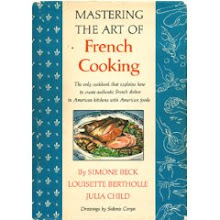
Julia Child, in her classic Mastering the Art of French Cooking, said “Beer is typical for the Belgian braise and gives a quite different character to beef than the red wine of the bourguignon.” And that is very true – the carbonnade is different from beef bourguignon or coq au vin. A carbonnade is best known for its sweet-sour combination of caramelized onions with beer. Personally I found that when comparing the beef carbonnade to the other two dishes, it doesn’t seem to have quite the depth of flavor or earthy richness of the other two French braises.

In fairness to the carbonnade however, it has only three major ingredients – beef, onions, and beer. That’s why we’ve chosen to serve potatoes and carrots alongside. But the biggest difference is that beef bourguignon and coq au vin are wine based, as compared to the beer in the carbonnade.


For the beer we used Hoegaarden (pronounced “who-gar-den”), a Belgian wheat beer with a delicious, refreshing taste. Any dark Belgian-style ale would be a good choice here.

There are probably some purist out there that would disagree with me, but I think Guinness Draught Irish dry stout is also good in a beef carbonnade, which would make it an ideal dish to serve for St. Patrick’s Day. After all, they say everyone is Irish on St. Patrick’s Day.

As tempting as it might sound to cook some vegetables in this, I think it's best to serve them on the side. By doing so you maintain the integrity of this classic dish and don't muddle the flavors of the sweet-sour caramelized onions. Potatoes are definitely an excellent accompaniment. I’ve seen it served over creamy mashed potatoes as well as buttered noodles. We’ve served ours today with boiled potatoes tossed with parley and butter and roasted carrots. Beer of course is the drink of choice with a carbonnade. As with most stews, this dish will taste even better a day or two after it's made.

Beef Carbonnade is definitely one of the classic braises that should not be overlooked.


Carbonnade à la Flamande ~ Belgium Beef & Onions Braised in Beer 
Adapted from Essential Pepin by Jacques Pepin – serves 6 to 8

2 tablespoons unsalted butter
2 tablespoons olive oil
3 pounds boneless beef chuck, cut into 1/3-inch-thick slices, about 3 inches wide
Kosher salt and freshly ground pepper
3 cups thickly sliced onions
1/2 cup all-purpose flour
Three 12-ounce cans beer, Guinness for St. Patrick's Day
1/2 teaspoon dried thyme
2 bay leaves
2 tablespoons red wine vinegar
Arrowroot or cornstarch slurry if needed for thickening

In an enameled cast-iron casserole, heat 1 tablespoon of the butter along with 1 tablespoon of olive oil. Dry the beef well with paper towels and season with salt and pepper. Brown the beef in the casserole over moderate heat in batches, turning once, taking care not to crowd the pan or the beef will stew instead of browning. Transfer the beef to a plate and repeat in batches, using more butter & oil if necessary.

Add the onions to the casserole, cover and cook over low heat, stirring often, until browned, about 8 minutes. Stir in the flour until the onions are well-coated, and then slowly add the beer. Return the meat to the casserole along with any accumulated juices. Add the thyme and bay leaves, cover and simmer over low heat, stirring occasionally, until the beef is tender, about 2 hours.

At this point, you may refrigerate the carbonnade, when cooled, for several days in the refrigerator. Scrape off any accumulated fat on the top and return to room temperature before proceeding with the recipe.

Uncover the casserole and transfer the meat to a bowl. Add the vinegar and simmer the sauce over moderate heat until thickened slightly. If necessary, thicken with a slurry using either arrowroot or cornstarch and water. Before serving, taste for seasonings.


This will be shared with Foodie Friday at Rattlebridge Farms, Miz Helen’s Country Kitchen Full Plate Thursday, Foodie Friday at Simple Recipes, Foodtastic Friday at Not Your Ordinary Recipes, Seasonal Sunday at the Tablescaper, the Clever Chick's Blog Hop, and On the Menu Monday at Stone Gable.

Have a great weekend everyone and Happy St. Patrick’s Day.